The knee joint
The knee joint
The knee is the largest and one of the most complex joints in the human body. It connects the thigh bone (femur) with the shin bone (tibia) and allows a wide range of movements that are essential in daily life, in sport and at work. It also carries the body’s weight and provides stability when standing, walking, running and jumping.
Loading 3D model…
Function & biomechanics
The most complex joint in the human body
Function
The knee allows:
- Flexion and extension (the main movement)
- Rotation (when the knee is bent)
- Sideways movement (only to a very limited degree)
This freedom of movement is essential for everyday activities such as running, climbing stairs or standing up.
Biomechanics
Load:
- Standing: about 1× body weight
- Walking: up to 5×
- Jumping: up to 9×
Load distribution:
The menisci and cartilage distribute the pressure evenly.
Movement control:
The cruciate ligaments guide the rolling and gliding of the joint surfaces.
Kneecap mechanics:
The patella acts as a lever and increases muscle power during extension.
Health & prevention
The knee is susceptible to:
- Osteoarthritis
- Meniscus damage
- Ligament injuries (for example a cruciate ligament tear)
- Kneecap instability
Prevention:
- Regular exercise
- Strengthening the thigh muscles
- Avoiding incorrect loading and excess weight
- Good footwear and correct leg alignment during sport
In summary
The knee is a masterpiece of human anatomy and biomechanics. Keeping it healthy in the long term depends on movement, targeted training and having symptoms assessed early.
The team at Sportklinik Freiburg will be glad to help you with this.
Common causes of knee pain


Our knee specialists
Experienced consultants caring for your knee health

Prof. Dr. med. Gerrit Bode
Consultant in Orthopaedics and Trauma Surgery, additional qualification in specialist trauma surgery
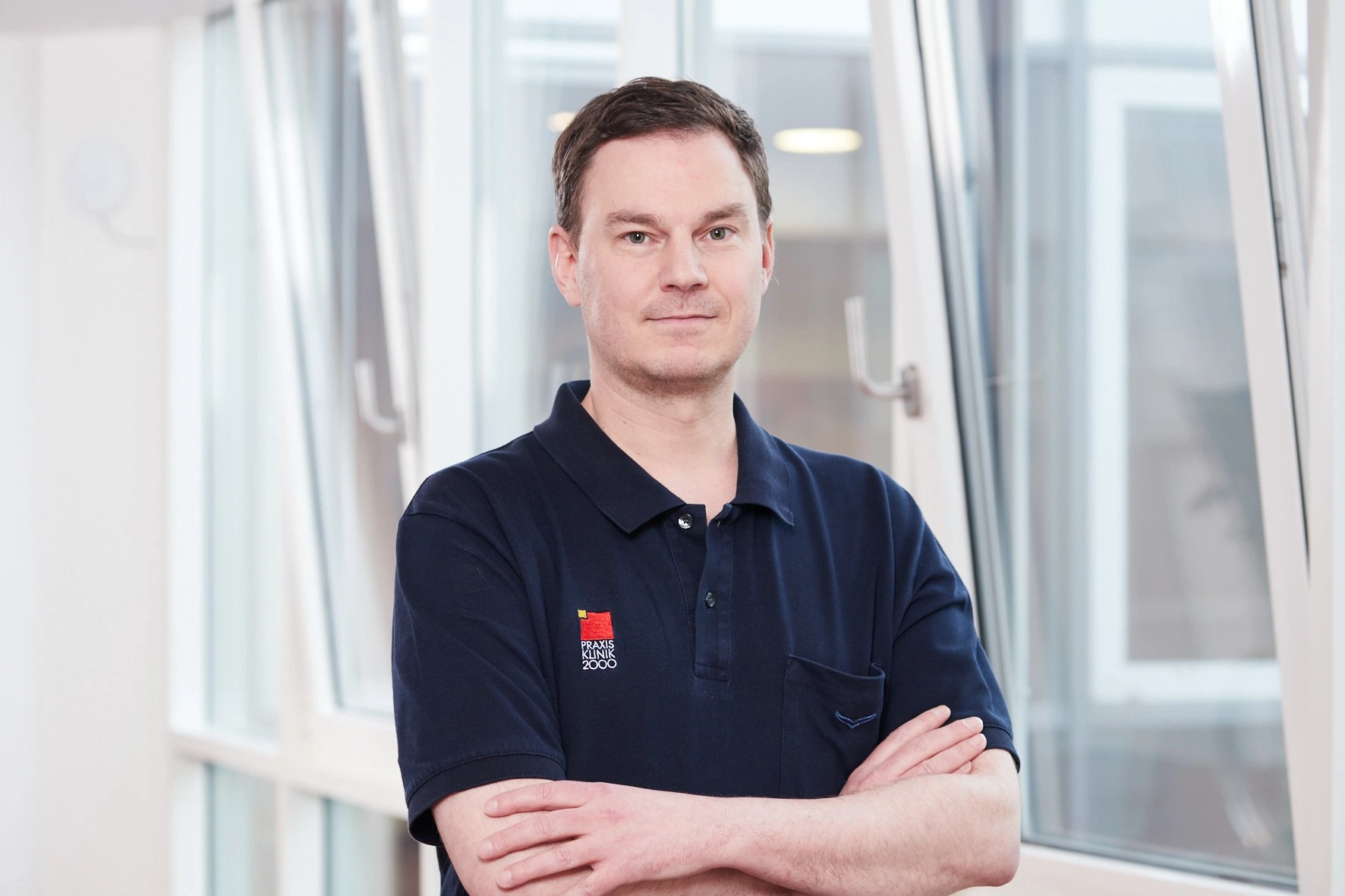
Prof. Dr. med. Matthias Feucht
Consultant in Orthopaedics and Sports Medicine

Dr. med. Friedrich Quarck
Consultant in Orthopaedics and Trauma Surgery
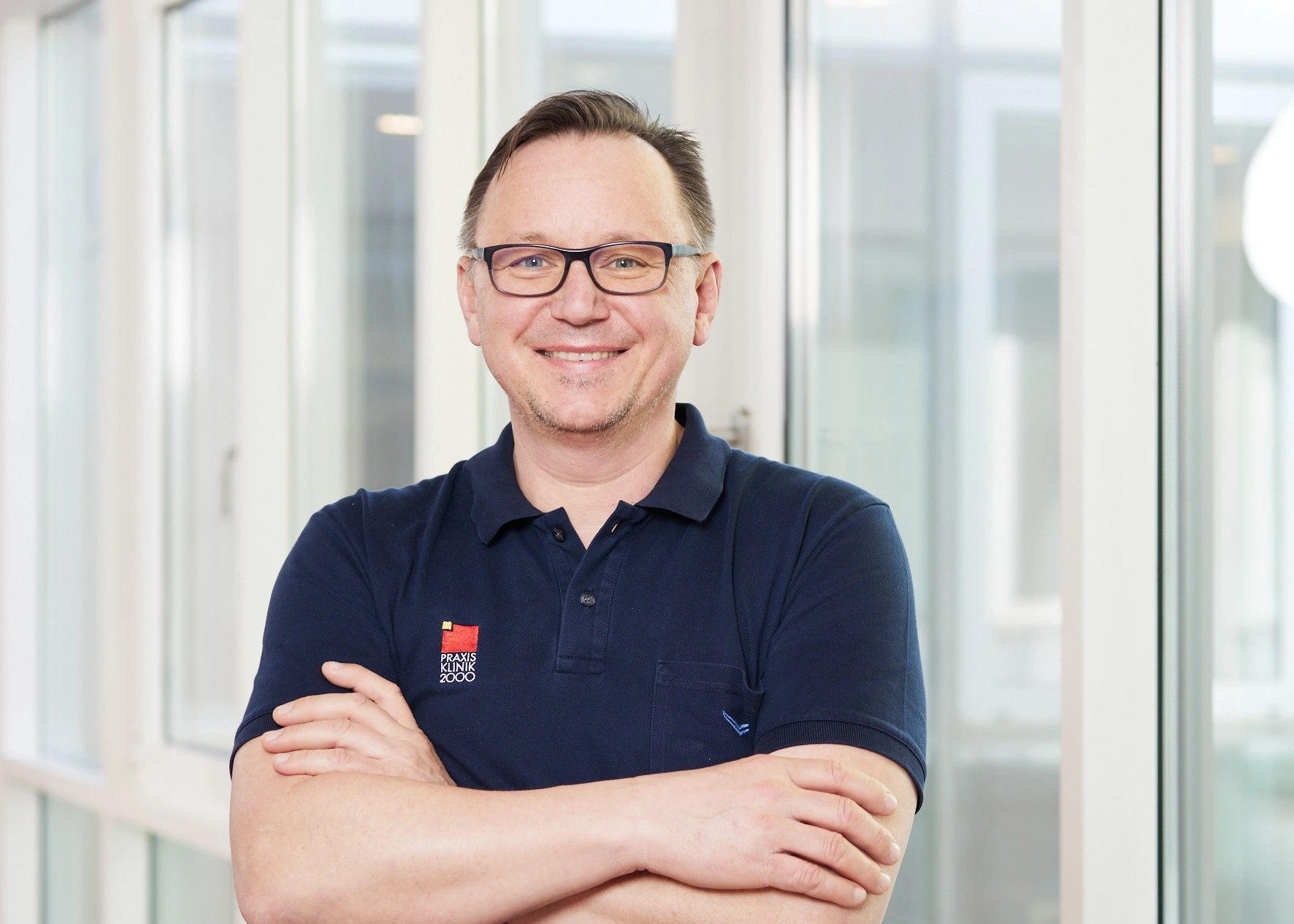
Dr. med. Ralph Mayer
Consultant in Orthopaedics, specialist orthopaedic surgery