Movement analysis laboratory
Measuring instead of guessing: movement analysis, performance diagnostics and the imaging we work with.
Optimising performance through science
Modern sports medicine uses scientific findings to improve athletic performance systematically and measurably.
Biomechanical analysis
3D movement analysis to optimise the technique and efficiency of athletic movement.
Applications:
- Technique analysis and optimisation
- Muscle function testing
- Compensation mechanisms
Benefits:
- Injury prevention
- Improved performance
- More efficient movement
Evidence-based training management
Scientifically grounded load planning based on individual performance data.
Measurement methods:
- Heart rate variability
- Lactate measurement
- Strength testing
Training components:
- Endurance training
- Strength training
- Coordination training
Optimising recovery
Strategies to speed up recovery between training sessions and competitions.
Active recovery:
- Light jogging
- Stretching and mobility
- Water-based therapy
Passive recovery:
- Massage and osteopathy
- Cryotherapy
- Compression therapy
Mental strength and sports psychology
Psychological techniques for better concentration, motivation and competitive performance.
Mental techniques:
- Visualisation
- Breathing techniques
- Self-talk
Areas of use:
- Competition preparation
- Stress management
- Coming back after injury
Sport-specific nutrition strategies
Optimised nutrition for training, competition and recovery.
Macronutrients:
- Carbohydrate timing
- Optimising protein intake
- Healthy fats
By phase:
- Pre-workout nutrition
- Competition nutrition
- Post-workout recovery
Sleep optimisation for athletes
Improving sleep quality as the foundation for performance and recovery.
Sleep hygiene:
- Regular sleeping hours
- An optimal sleep environment
- A digital detox before bed
Effects on performance:
- Improved reaction time
- Better concentration
- Faster recovery
Modern diagnostic methods in sports medicine
Precise diagnosis is the foundation of every successful treatment. Modern imaging and functional testing allow an exact assessment.
MRI (magnetic resonance imaging)
Detailed imaging of soft tissue, cartilage, ligaments and tendons without radiation exposure.
Particularly suitable for:
- Cartilage damage and meniscus tears
- Cruciate and collateral ligament injuries
- Muscle and tendon injuries
- Soft tissue tumours
Benefit: No radiation exposure, very detailed
Ultrasound (sonography)
Dynamic examination of muscles, tendons and ligaments in real time.
Areas of use:
- Tendon inflammation and tears
- Muscle injuries and haematomas
- Joint effusions
- Functional assessment during movement
Benefit: Immediately available, inexpensive, dynamic
X-ray and CT
Precise imaging of bone structures and complex fractures.
Used for:
- Fractures and hairline cracks
- Osteoarthritis and joint wear
- Bone deformities
- Loose bodies within the joint
Benefit: Fast bone diagnostics, 3D imaging (CT)
Arthroscopy
Minimally invasive joint inspection for diagnosis and treatment in one procedure.
Possibilities:
- Direct inspection of the joint
- Meniscus trimming or repair
- Cartilage treatment
- Cruciate ligament reconstruction
Benefit: Diagnosis and treatment in a single procedure
3D movement analysis
3D analysis of movement patterns to identify dysfunction.
Parameters analysed:
- Joint angles and velocities
- Force distribution and pressure points
- Coordination and balance
- Asymmetries and compensations
Benefit: Objective assessment of movement
Sports medical performance testing
Objective measurement of strength, endurance, coordination and mobility.
Test procedures:
- Incremental lactate test (endurance)
- Isokinetic strength measurement
- Jump performance testing
- Balance and coordination tests
Benefit: Individual training recommendations
Artificial intelligence in diagnostics
Artificial intelligence is increasingly being used to support the evaluation of imaging and movement analysis. AI algorithms can help to detect subtle changes and to predict injury risks that the human eye might miss.
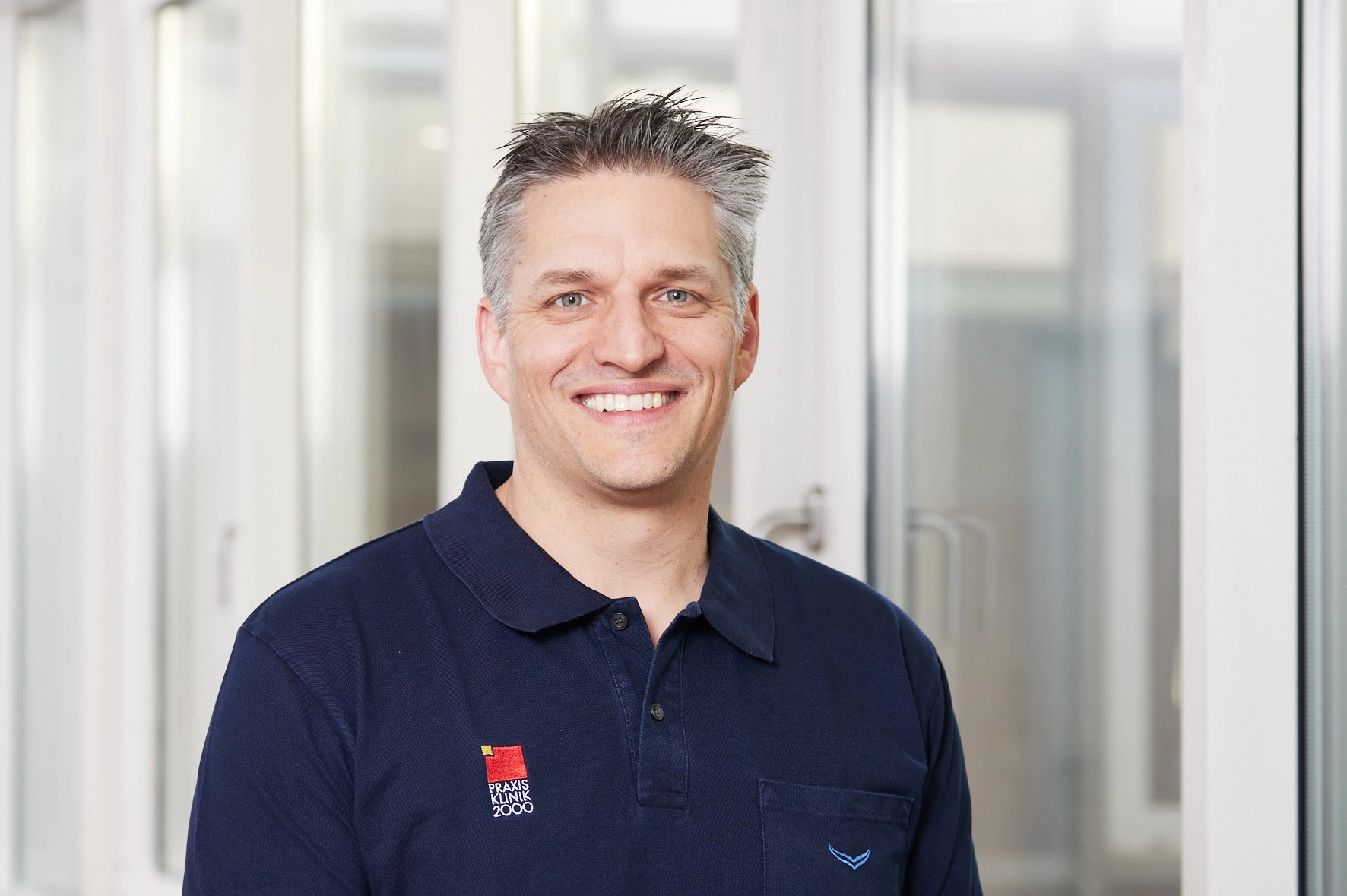
Prof. Dr. med. Gerrit Bode
Consultant in Orthopaedics and Trauma Surgery, additional qualification in specialist trauma surgery

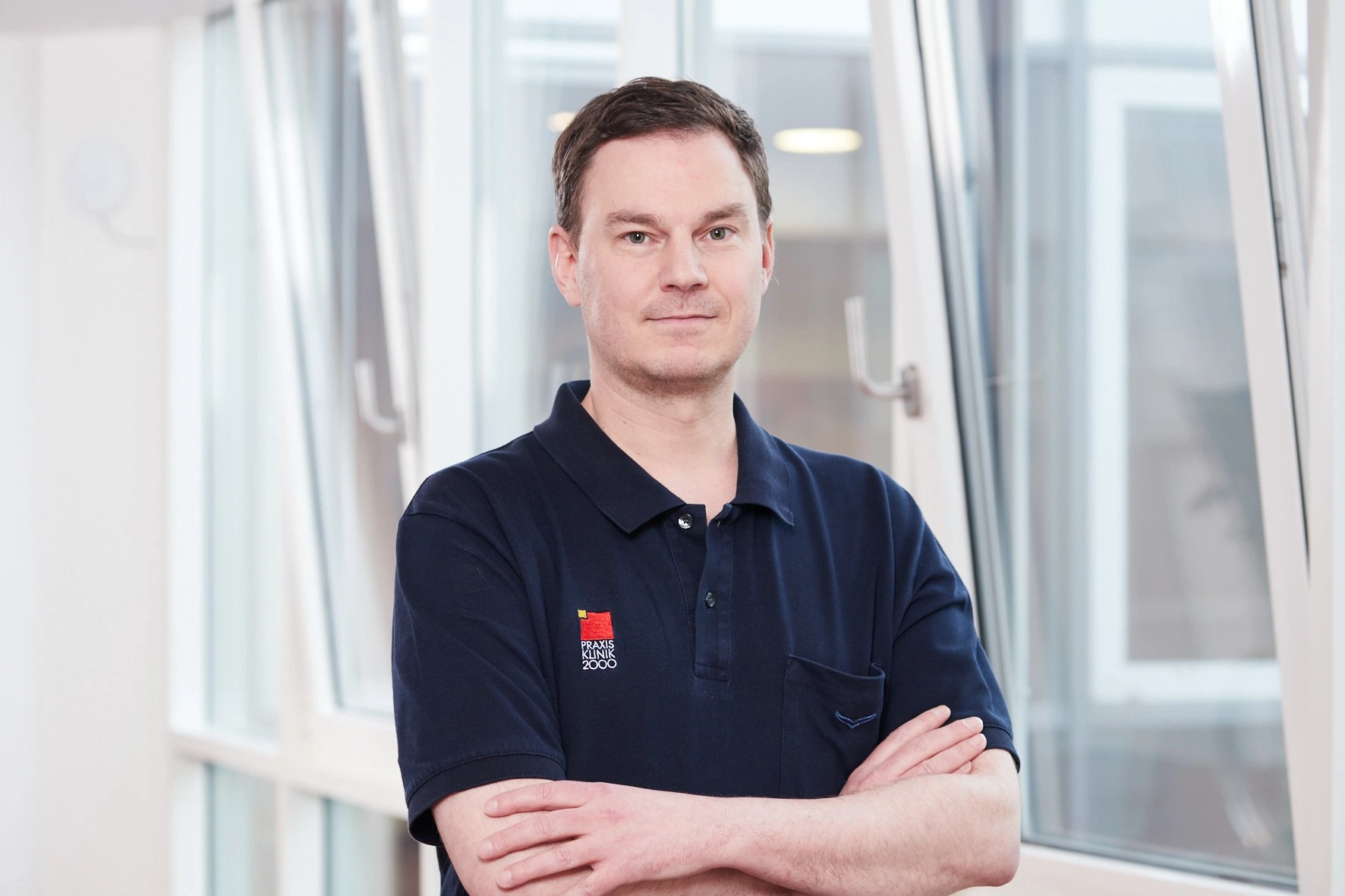
Prof. Dr. med. Matthias Feucht
Consultant in Orthopaedics and Sports Medicine
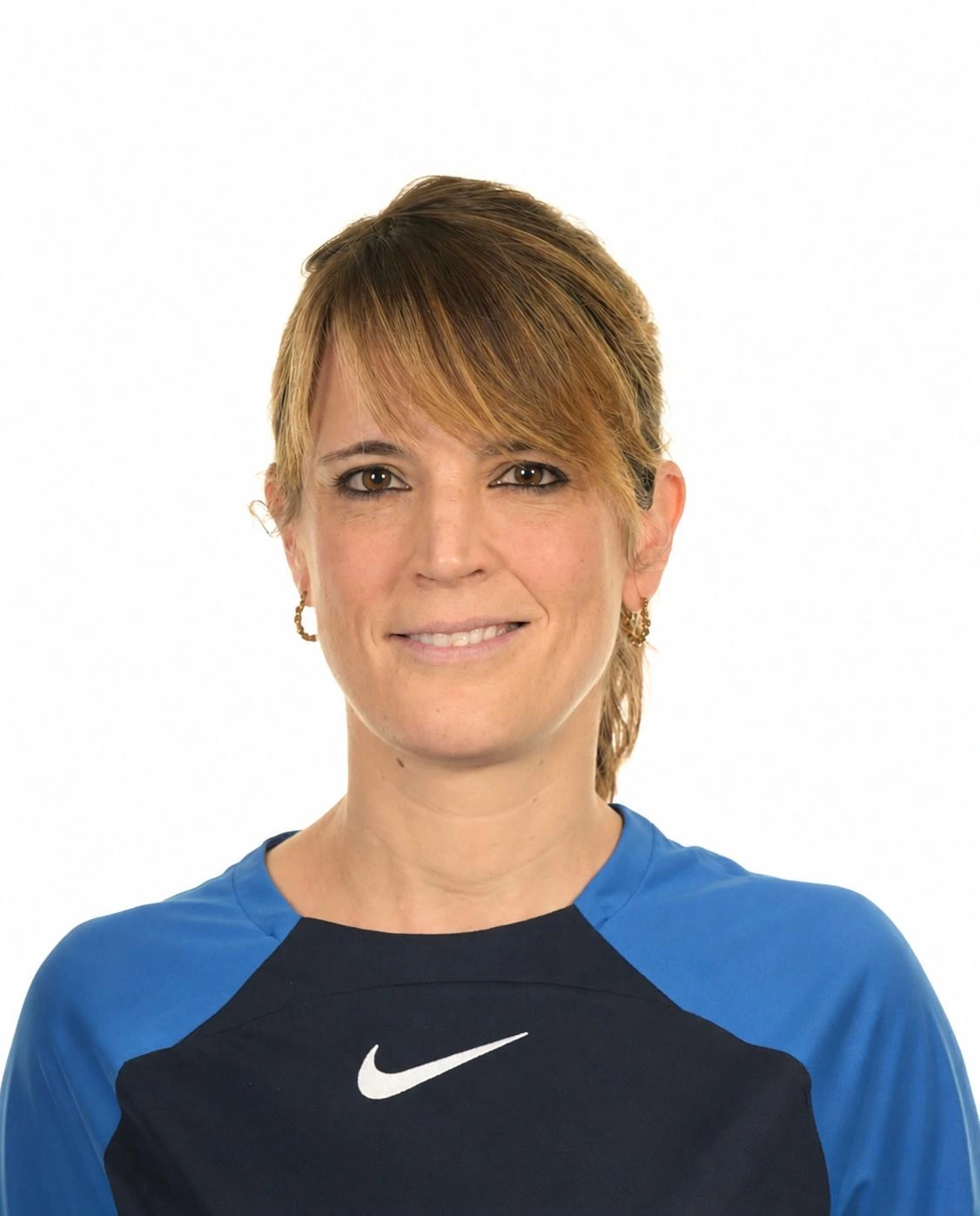
PD Dr. med. Lisa Bode
Consultant in Orthopaedics and Trauma Surgery, additional qualification in Paediatric and Adolescent Orthopaedics