MENISCAL REPAIR
- Method
- Arthroscopic meniscal repair (for instance all-inside, inside-out, outside-in)
- Duration
- 45 to 75 minutes
- Recovery time
- 3 to 6 months
How does a meniscal repair work?
Where the pattern of the tear is suitable, we try not to remove the meniscus but to preserve it with a meniscal repair. A meniscus that still works protects the cartilage of the joint in the long term and reduces the risk of osteoarthritis. Depending on where the tear is (for instance the posterior horn, the mid-body, the root) and on the quality of the tissue, different suture techniques are used.
The procedure is carried out arthroscopically through two small approaches. Depending on the type and site of the tear, various techniques are available:
- All-inside technique: suture anchors (for instance Fast-Fix) are placed entirely from inside, particularly suited to the posterior horn.
- Inside-out technique: the sutures are passed out through the joint capsule and tied there.
- Root repair: tears at the meniscal root are reattached with transosseous fixation or with special anchor systems.
The aim of every technique is to achieve stable reattachment so that the meniscus can heal biologically. The torn tissue is brought together exactly, without strangulating it. In combination with accompanying procedures (for instance a cruciate ligament reconstruction), healing can be encouraged further.
The procedure takes between 45 and 75 minutes and can usually be carried out as a day case.
Loading 3D model…
Rehabilitation after a meniscal repair
Aftercare following a meniscal repair proceeds in stages over 3-6 months. The aim is for the meniscus to heal reliably under controlled load.
Phase I (weeks 1-4): protective phase
Aims:
- Reducing pain and swelling
- Protecting the meniscal repair from loading too early
Measures:
- Partial weight-bearing with forearm crutches (20 kg) for 4 weeks
- Limiting flexion (usually 0-60°) with a movement splint
- Cooling, lymphatic drainage
- Isometric exercises to activate the muscles
Phase II (weeks 5-8): mobilisation
Aims:
- Restoring the full range of movement
- Building up muscular control
Measures:
- Increasing flexion to 90-120°
- Slow increase in load up to full weight-bearing
- Balance and co-ordination training
- Active movement training under guidance
Phase III (from week 9): building up load
Aims:
- Return to sporting load
- Full movement and load-bearing capacity
Measures:
- Strengthening with free weights, machines or a resistance band
- Jump and running training (from about week 12)
- Sport-specific training from week 16-20 (depending on how healing progresses)
Our meniscus specialists
Experienced specialists for meniscal repair and knee surgery
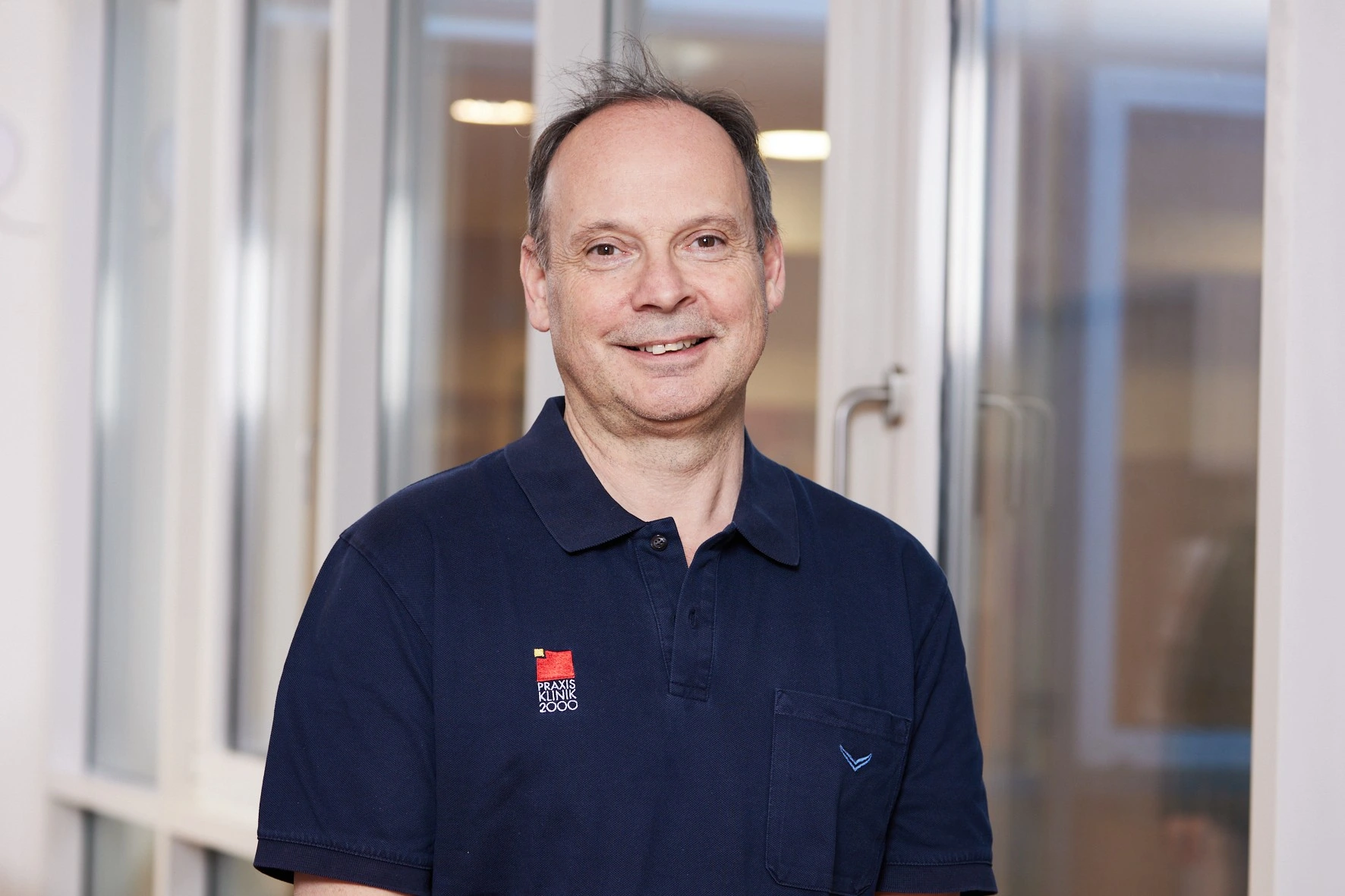
Dr. med. Friedrich Quarck
Consultant in Orthopaedics and Trauma Surgery

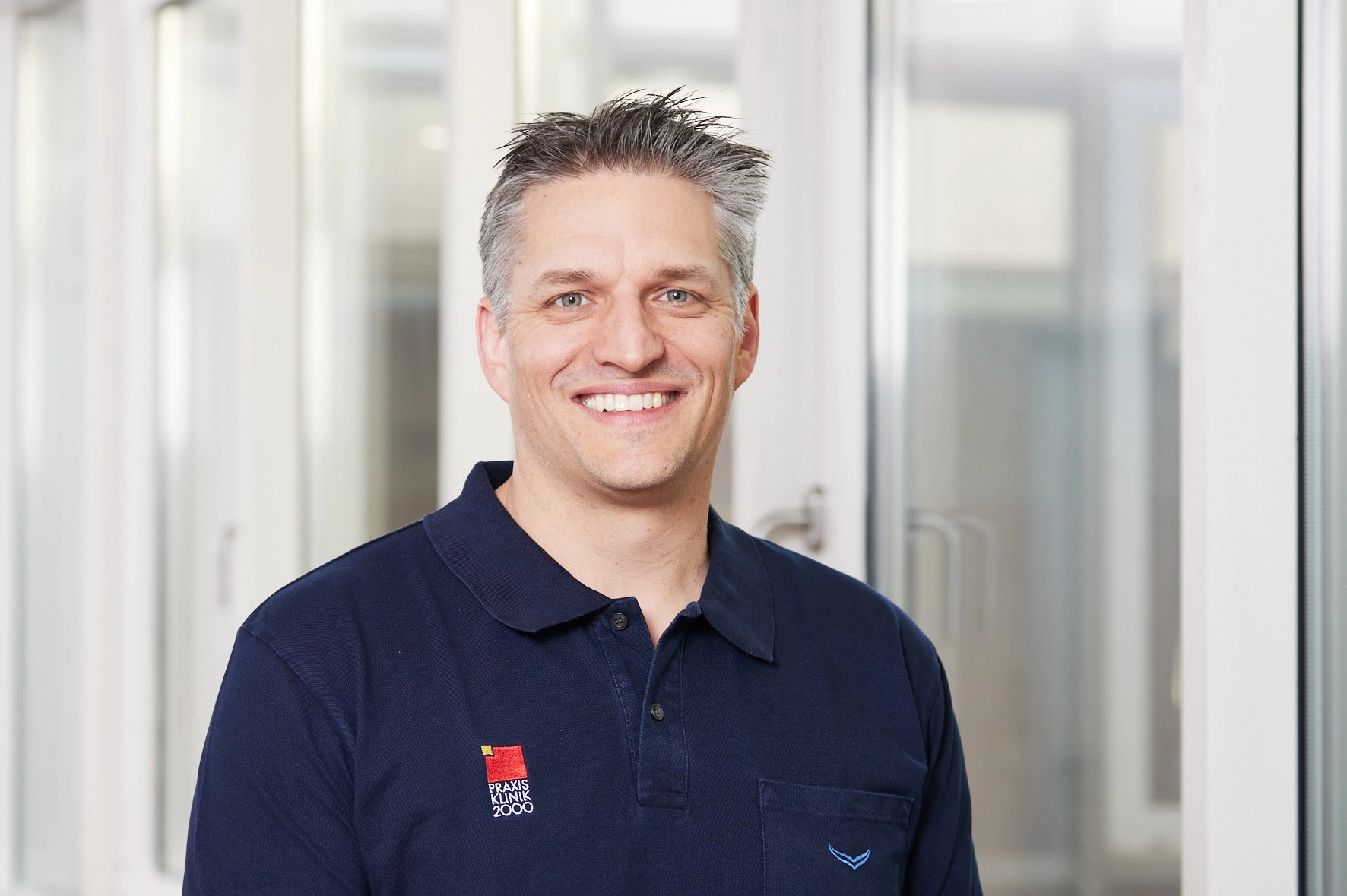
Prof. Dr. med. Gerrit Bode
Consultant in Orthopaedics and Trauma Surgery, additional qualification in specialist trauma surgery
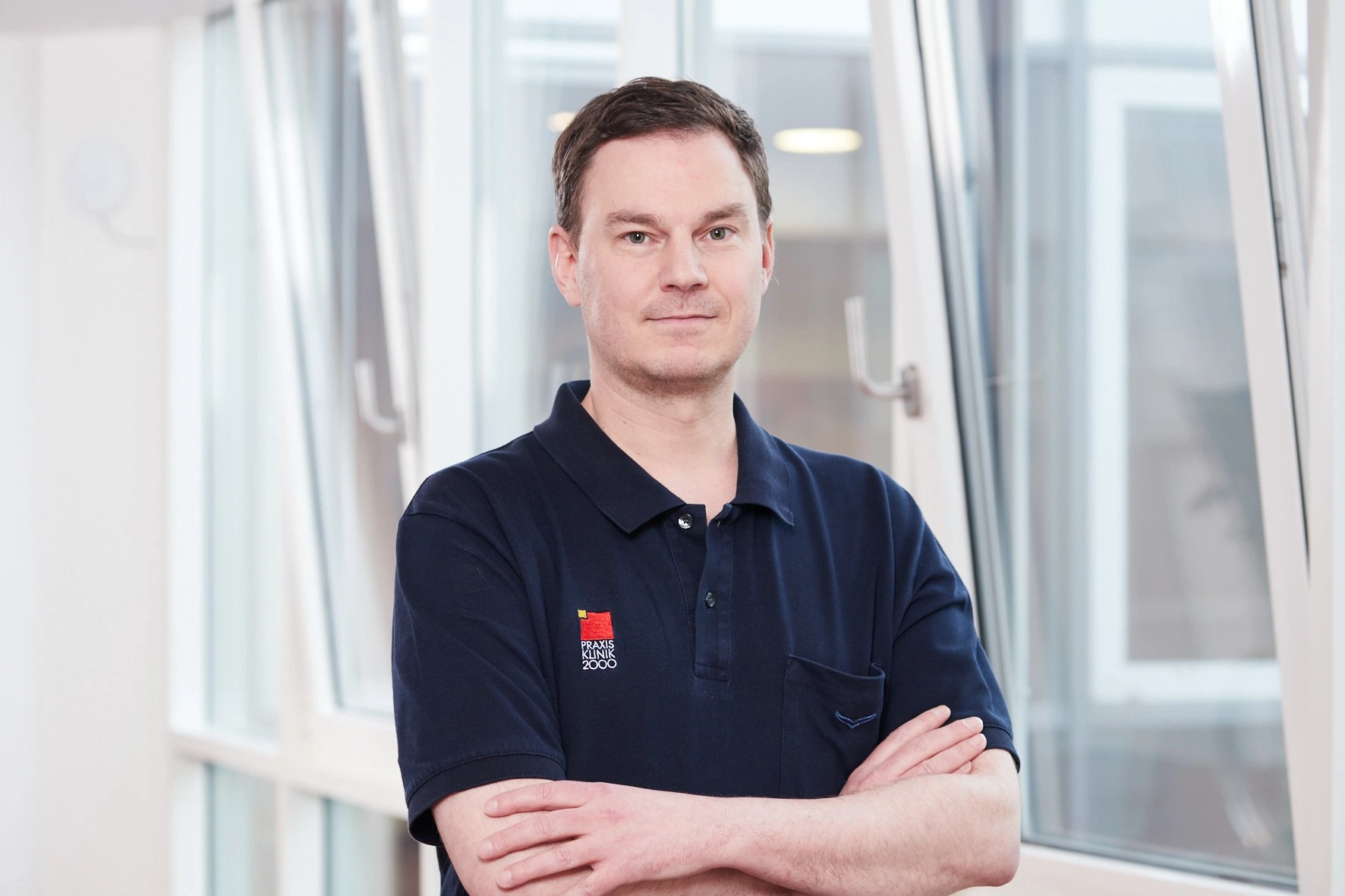
Prof. Dr. med. Matthias Feucht
Consultant in Orthopaedics and Sports Medicine
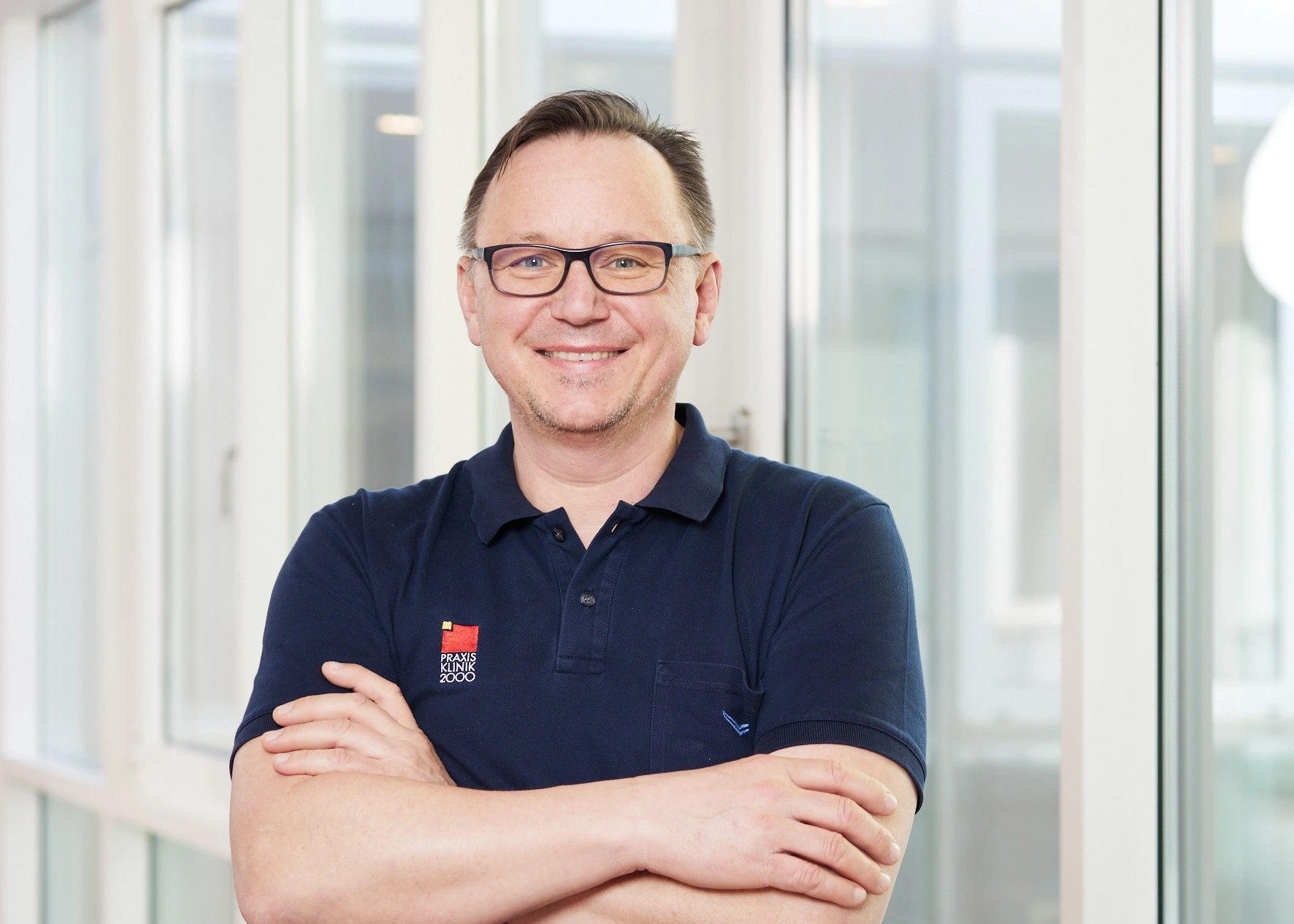
Dr. med. Ralph Mayer
Consultant in Orthopaedics, specialist orthopaedic surgery