CRUCIATE LIGAMENT RECONSTRUCTION WITH THE QUADRICEPS TENDON
- Method
- Cruciate ligament reconstruction with the quadriceps tendon
- Duration
- 60 to 90 minutes
- Recovery time
- 6 to 12 months
How does cruciate ligament surgery work?
For anterior cruciate ligament reconstruction our clinic also uses the quadriceps tendon as a graft. This strong tendon is particularly well suited to patients with a high level of activity or to revision surgery. It is taken above the kneecap through a small incision. Part of the tendon is removed, with or without a block of bone – without any relevant restriction of knee extension. Studies confirm the high tensile strength and very good healing-in of the quadriceps tendon as a cruciate ligament graft.
The procedure is carried out entirely by arthroscopy. What decides long-term success is the exact positioning of the bone tunnels at the original attachment points of the cruciate ligament. Depending on how it was taken, the quadriceps tendon is reinforced with sutures and prepared for being drawn into the knee. With modern guiding techniques such as the FiberTag® system, the tendon can be placed reliably and fixed under controlled tension.
Femoral fixation with an extracortical button and a pulley system allows stable anchorage in the femoral tunnel. This method gives a solid anchorage with an immediate firm grip. Fixation at the tibia is by an extracortical button or an interference screw, as also used with the semitendinosus tendon. This combination of well-established screw fixation and a cortical button ensures stable, secure anchorage of the graft on both sides.
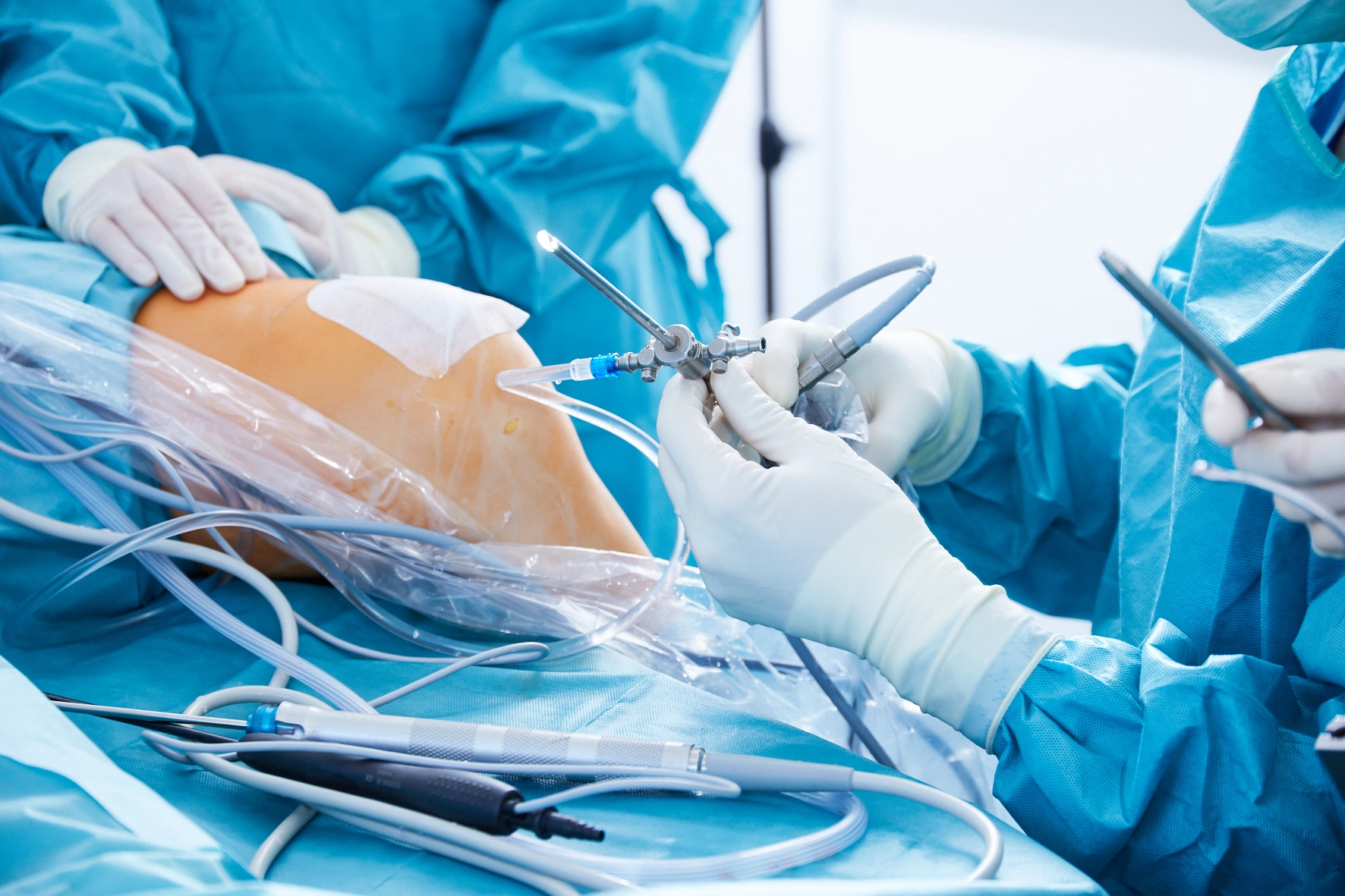
Rehabilitation after a quadriceps tendon cruciate ligament reconstruction
Aftercare following an anterior cruciate ligament reconstruction follows a phased rehabilitation plan guided by the biological healing of the graft. TightRope® fixation gives high initial stability, which makes early functional mobilisation possible.
Phase I (0-6 weeks): protection and mobilisation
In the first phase of rehabilitation the emphasis is on protecting the knee joint while at the same time carrying out early functional mobilisation. The aim is to support the healing of the graft and to avoid complications such as swelling, restricted movement or loss of muscle.
Aims:
- Reducing swelling and pain
- Restoring full extension of the knee
- Working towards free flexion to 90 degrees
- Improving neuromuscular control
Measures:
- Partial weight-bearing with forearm crutches for about 2-3 weeks (20-30 kg)
- Knee orthosis in extension (where needed, for instance with accompanying injuries)
- Cooling and manual lymphatic drainage to reduce swelling
- Early functional physiotherapy: passive and assisted mobilisation exercises (CPM, levels 1-2)
- Isometric muscle training: activating the quadriceps, leg axis training
Phase II (6-12 weeks): building up load and stabilising
In the second phase of rehabilitation the emphasis is on a controlled build-up of load. The knee is gradually introduced to everyday movement, while targeted exercises encourage muscular stability and co-ordination.
Aims:
- Extending the range of movement (flexion to at least 120 degrees)
- Regaining reliable full weight-bearing in everyday life
- Strengthening the thigh and pelvic muscles
- Improving the stability of the joint and proprioception
Measures:
- Progression from partial to full weight-bearing (depending on the findings)
- Targeted muscle training in closed chains (for instance leg press, mini-squats, step-ups)
- Balance training and co-ordination exercises (for instance on unstable surfaces)
- Exercise-bike training without, and later with, light resistance
- Gait analysis and correction of faulty loading
A return to light work is often already possible in this phase – depending on how healing progresses and on the demands of the workplace.
Phase III (months 3-6): functional build-up and increasing load
In this phase the focus is on targeted building of muscle and on increasing how much load the operated knee can tolerate. The joint is now asked to do more, so that it is introduced step by step to sporting and dynamic movement.
Aims:
- Symmetrical build-up of strength in the leg muscles
- Stabilising the knee joint under dynamic load
- Improving co-ordination, balance and reaction
- Preparing for sport-specific patterns of movement
Measures:
- Strengthening with increasing resistance (for instance free weights, resistance bands)
- Training in open chains (free leg extension, lunges, forward lunges)
- Balance and jump training: for instance single-leg stance, hopping exercises, co-ordination drills
- Treadmill training, skipping and first changes of direction
- Targeted training of movement sequences, for instance climbing stairs or fast stop-and-go movements
Important: training continues under physiotherapy guidance, in order to avoid overloading and faulty movement. Capacity is increasing, but the graft is still in its biological remodelling phase.
Phase IV (from month 6-9+): return to sport and full loading
The aim of the final phase of rehabilitation is to restore full physical capacity and to allow a safe return to sporting activity. The graft is now largely integrated biologically and sport-specific training can take place.
Aims:
- Restoring full functional capacity
- Stability, strength and co-ordination at a sporting level
- Mental and physical preparation for the demands of competition
- Avoiding overloading and re-rupture
Measures:
- Sport-specific training at high intensity (for instance sprinting, changes of direction, jump training)
- Return to team or contact-sport training under supervision
- Standardised return-to-sport tests (for instance hop tests, Y-balance, strength measurement)
- Individual adjustment of the load according to sport, playing position and level of performance
- Mental training to restore confidence and reliable reactions
Final clearance for competitive sport is given after 9-12 months at the earliest and rests not on time alone but on functional tests, objective strength ratios and the clinical assessment by doctor and therapist.
Our cruciate ligament specialists
Experienced specialists for cruciate ligament reconstruction with the quadriceps tendon
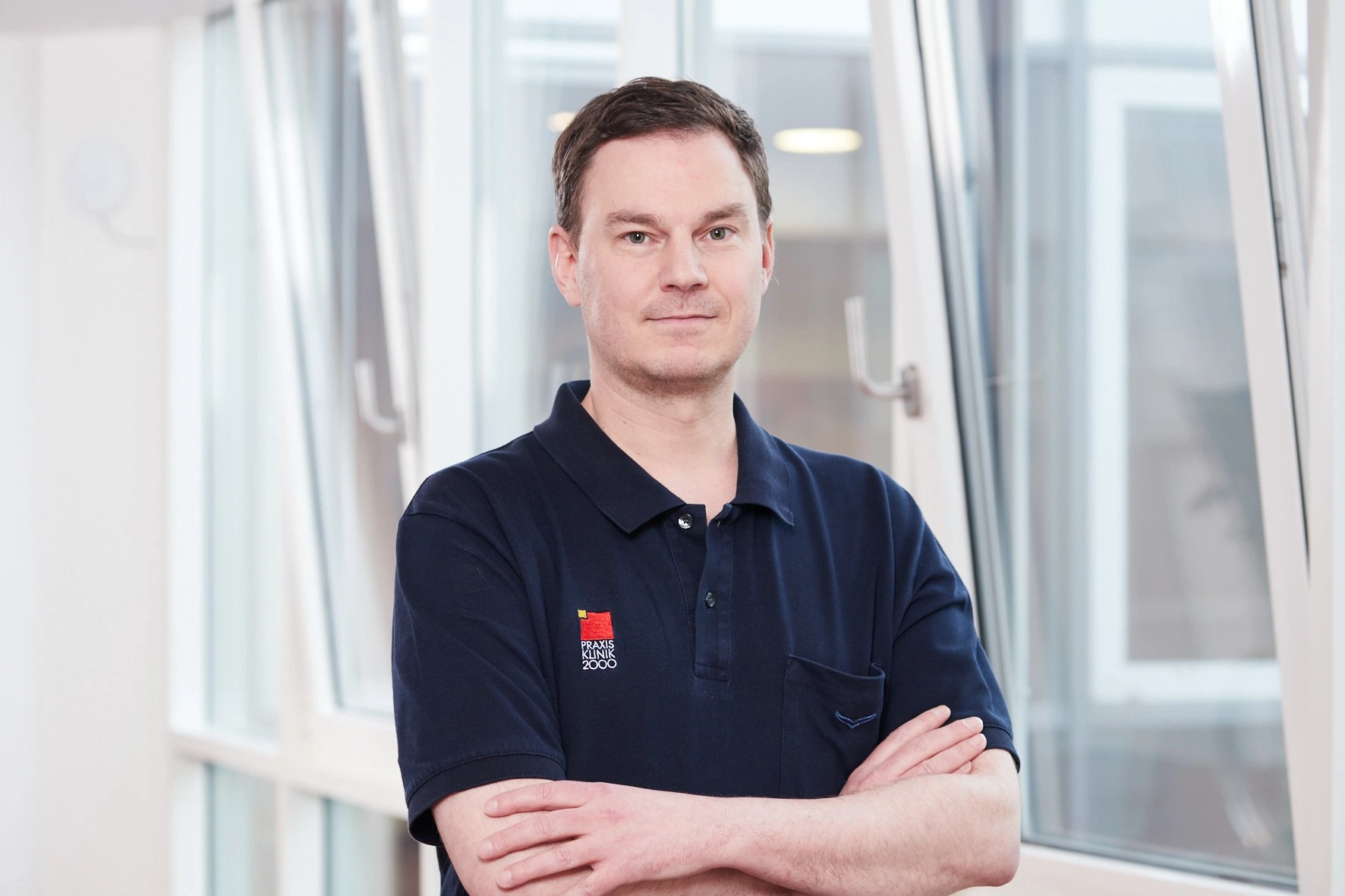
Prof. Dr. med. Matthias Feucht
Consultant in Orthopaedics and Sports Medicine

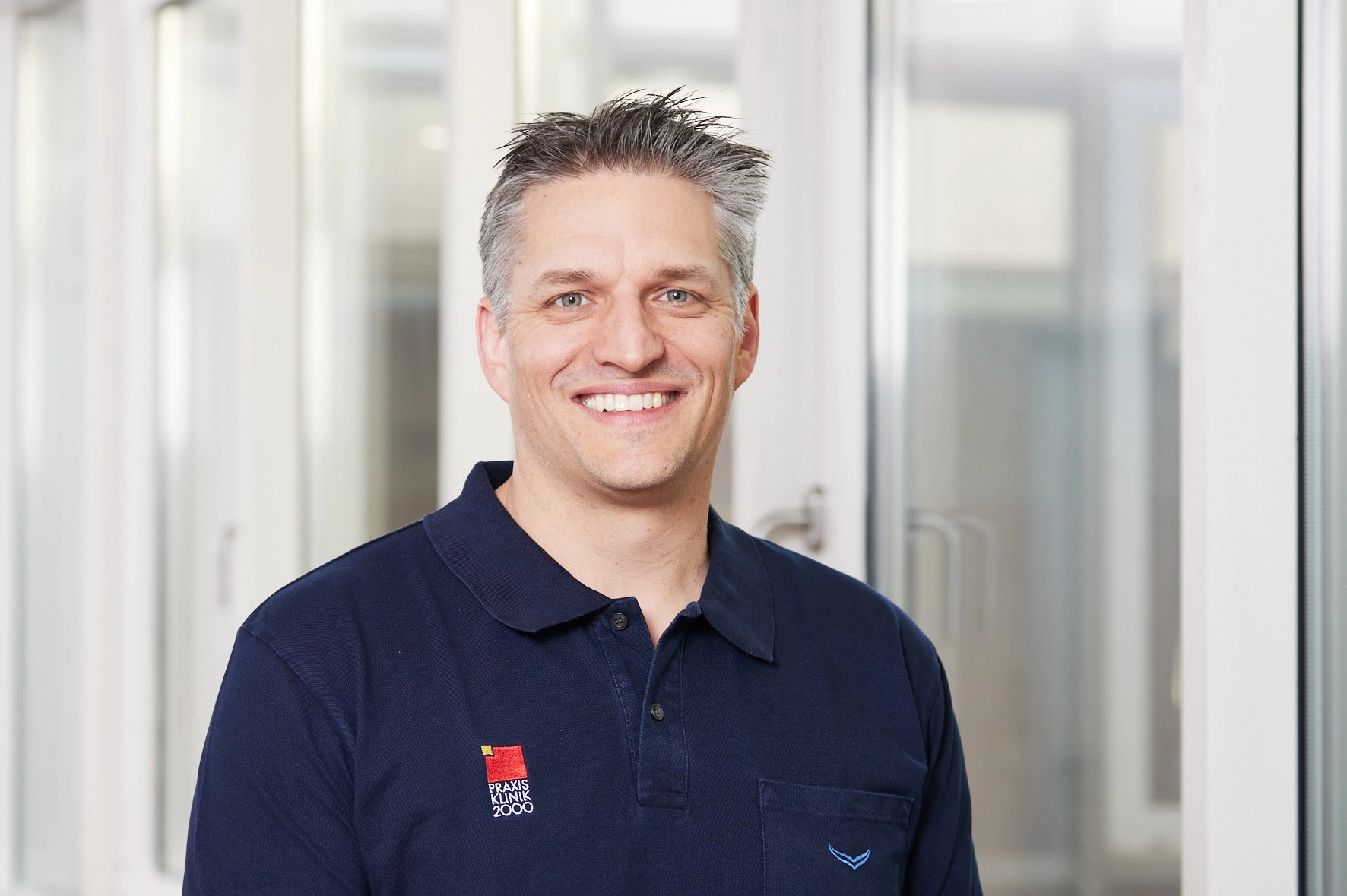
Prof. Dr. med. Gerrit Bode
Consultant in Orthopaedics and Trauma Surgery, additional qualification in specialist trauma surgery
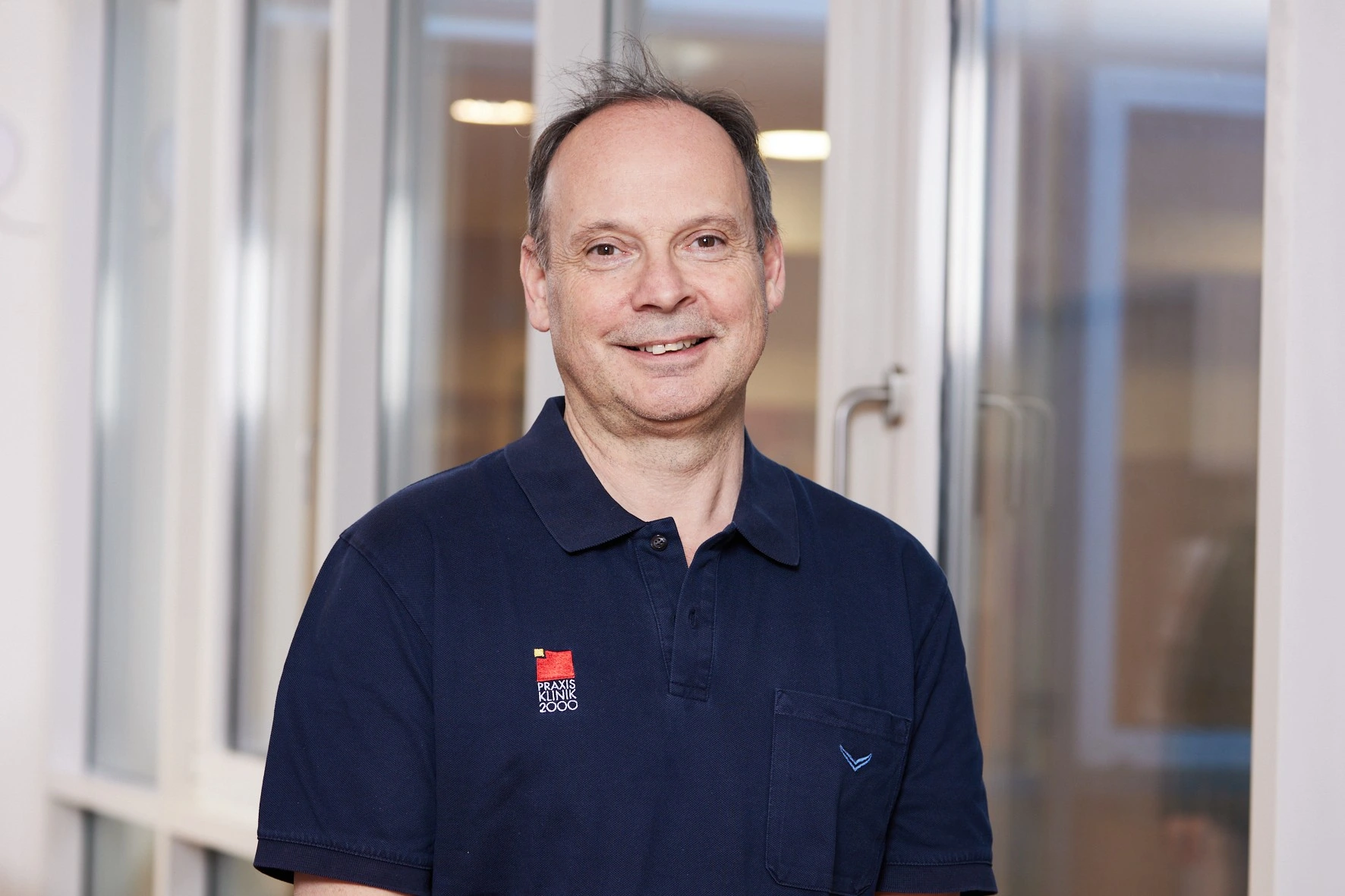
Dr. med. Friedrich Quarck
Consultant in Orthopaedics and Trauma Surgery
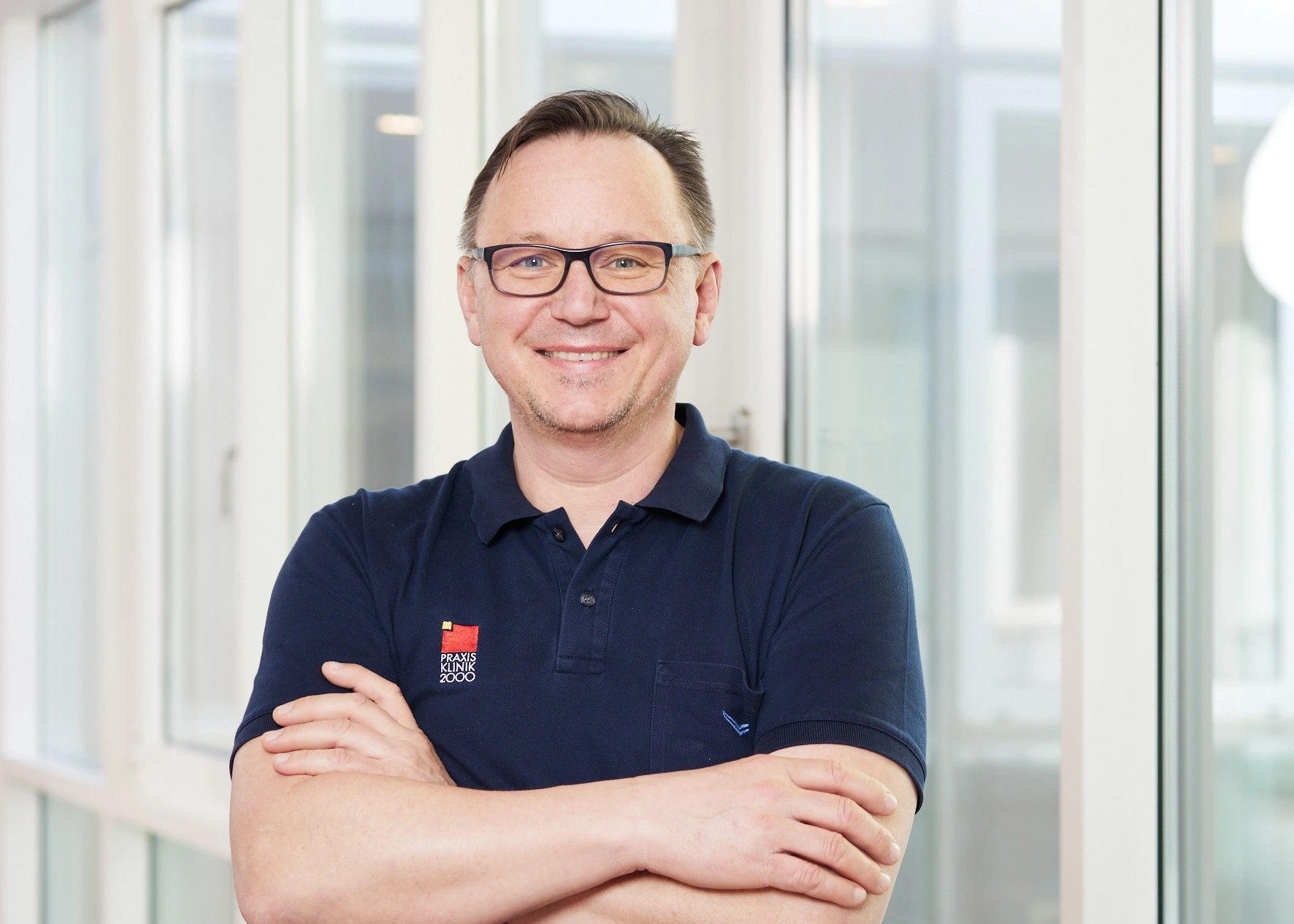
Dr. med. Ralph Mayer
Consultant in Orthopaedics, specialist orthopaedic surgery